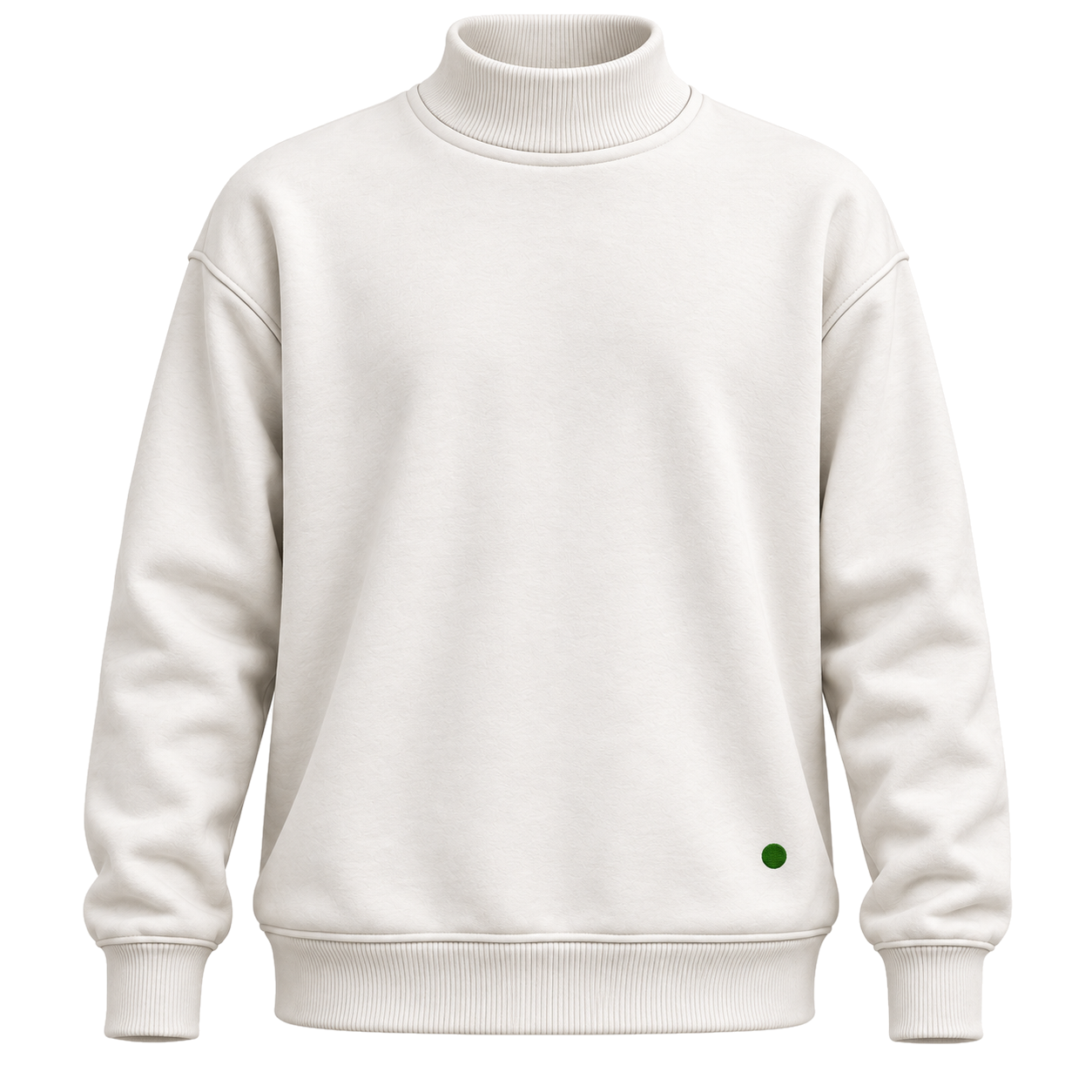
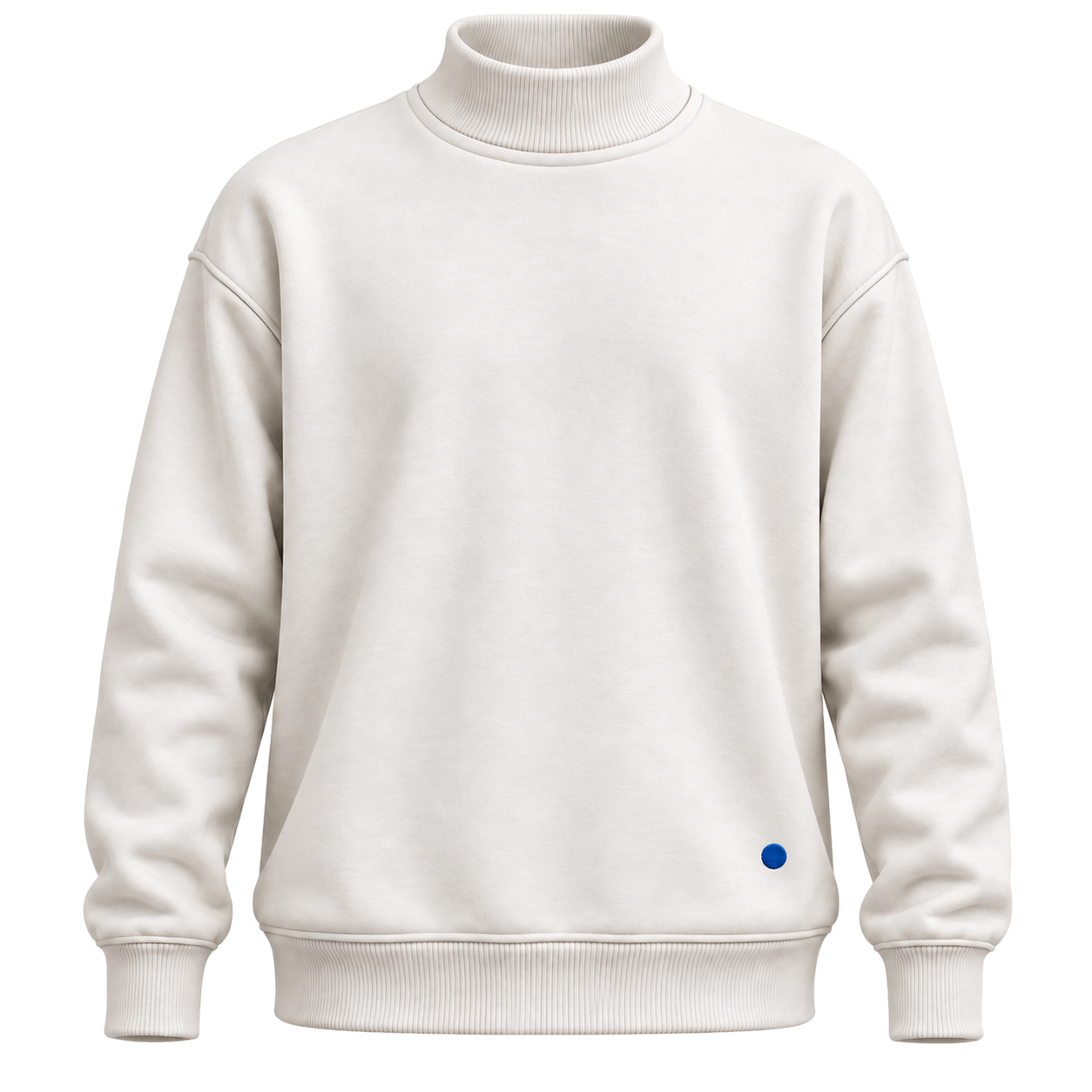
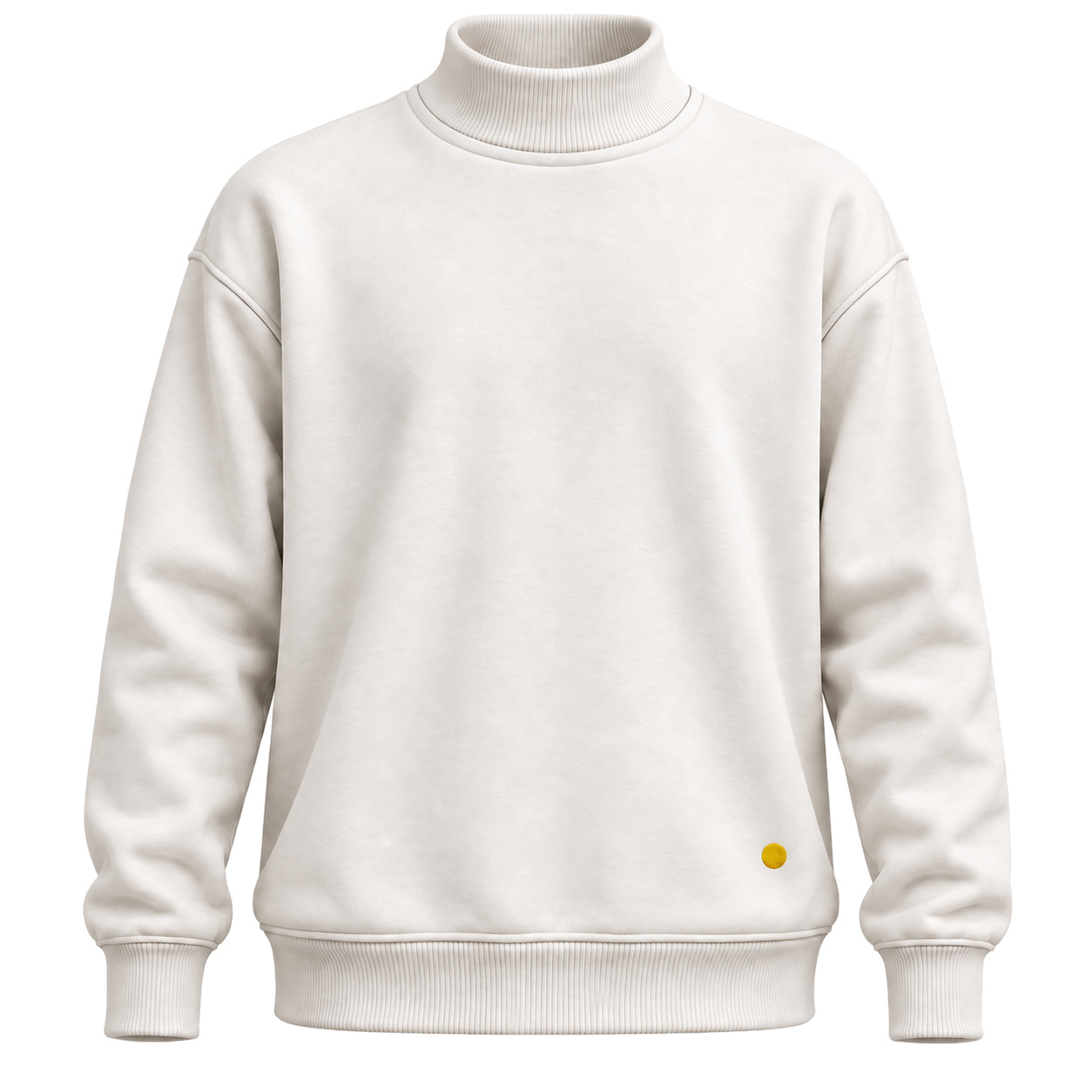
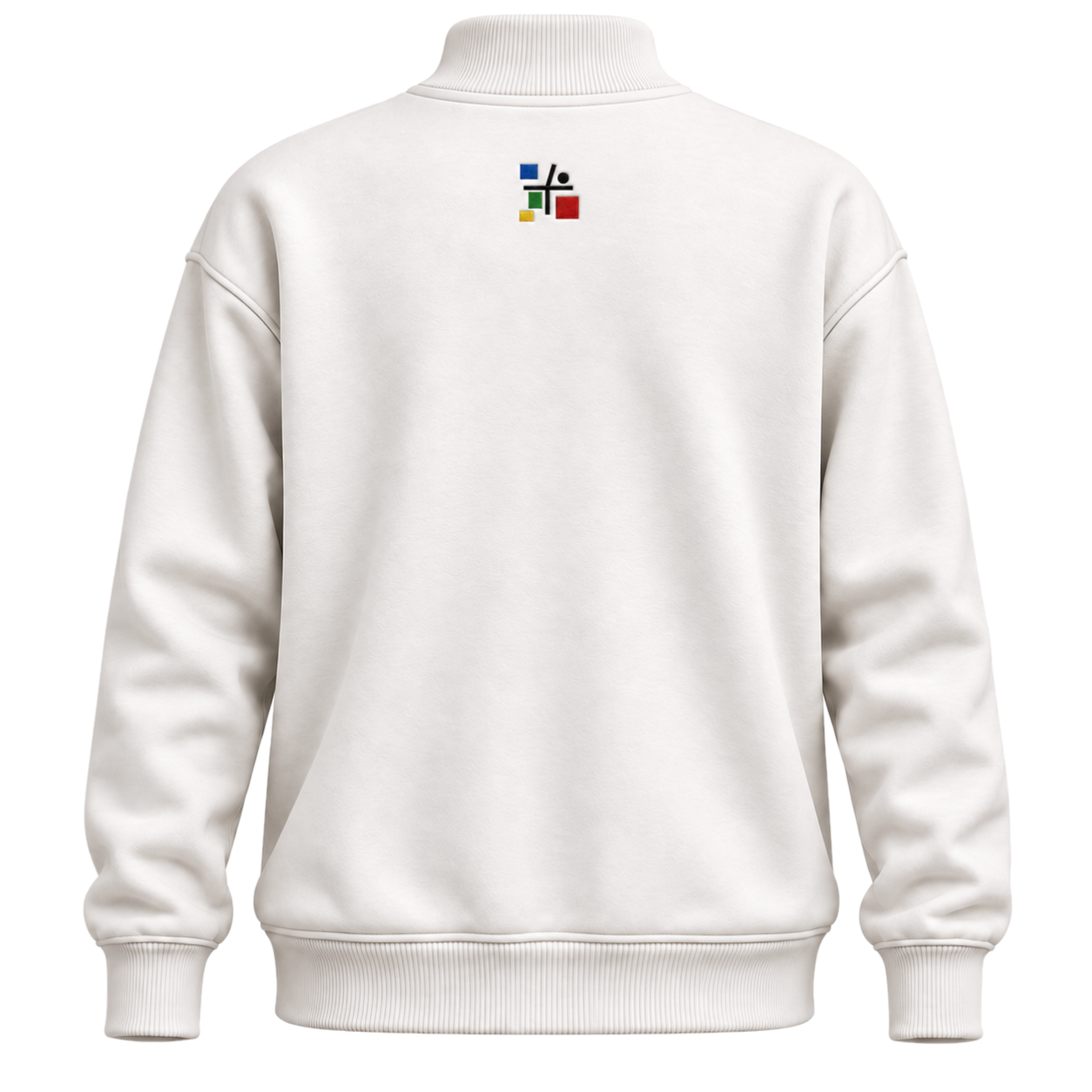
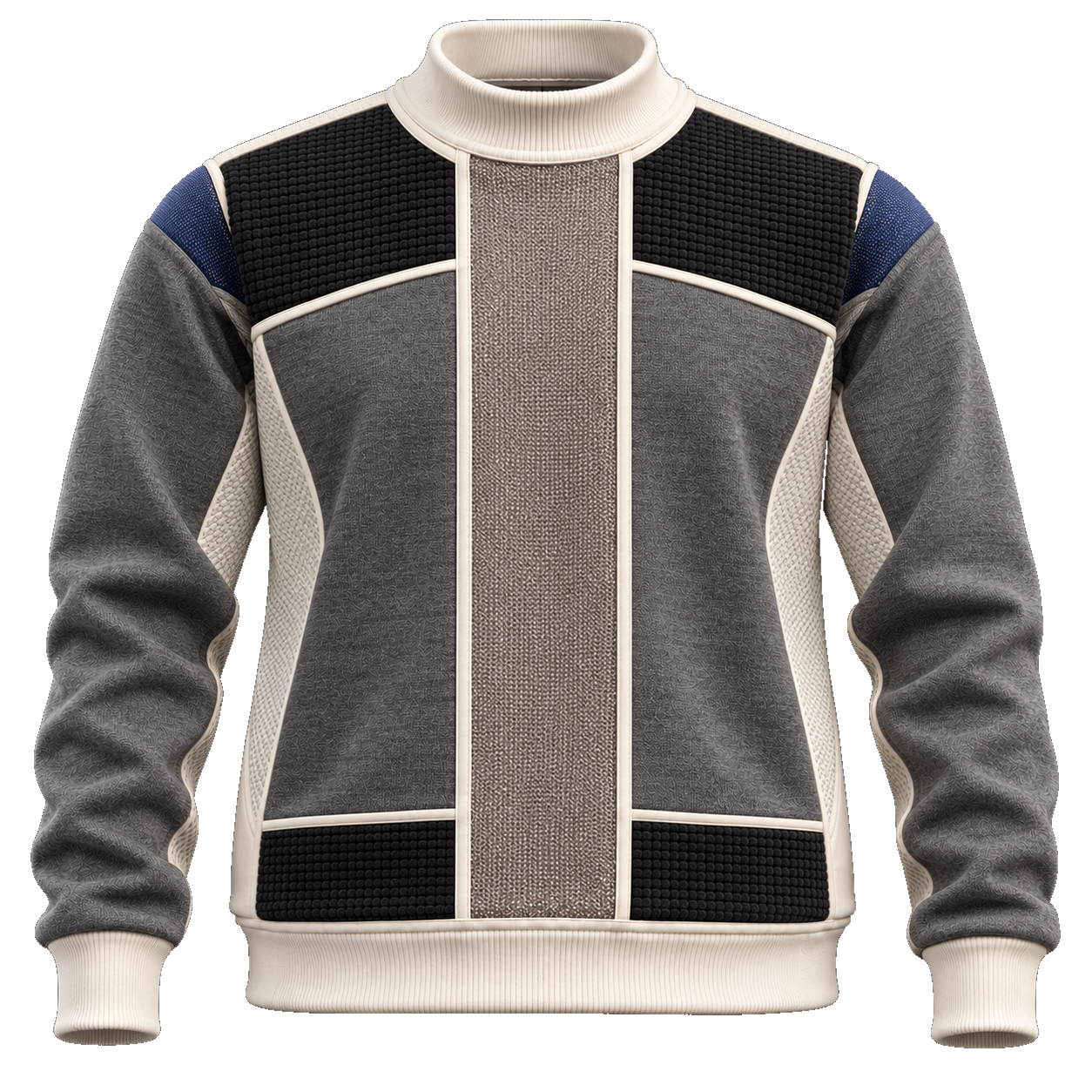
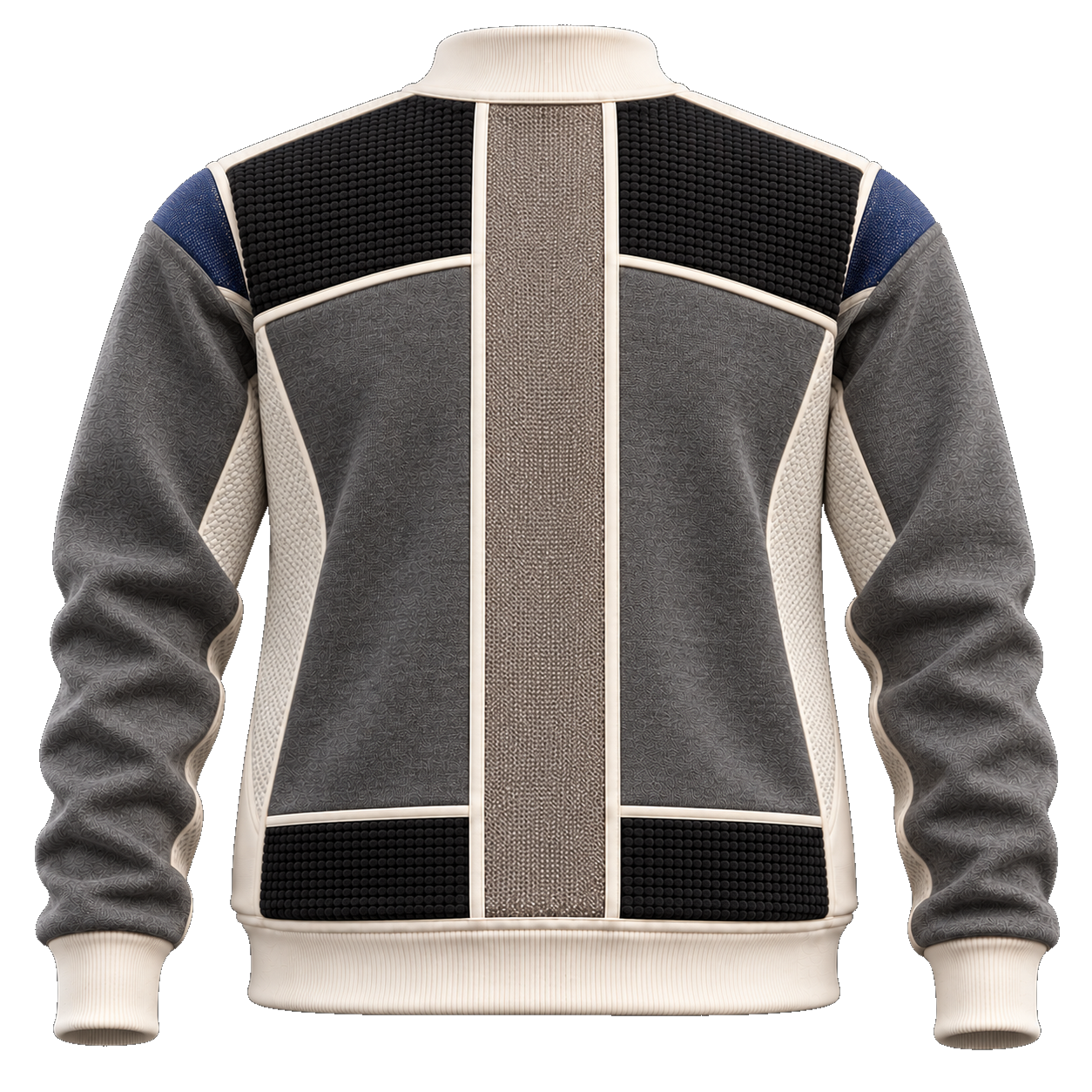
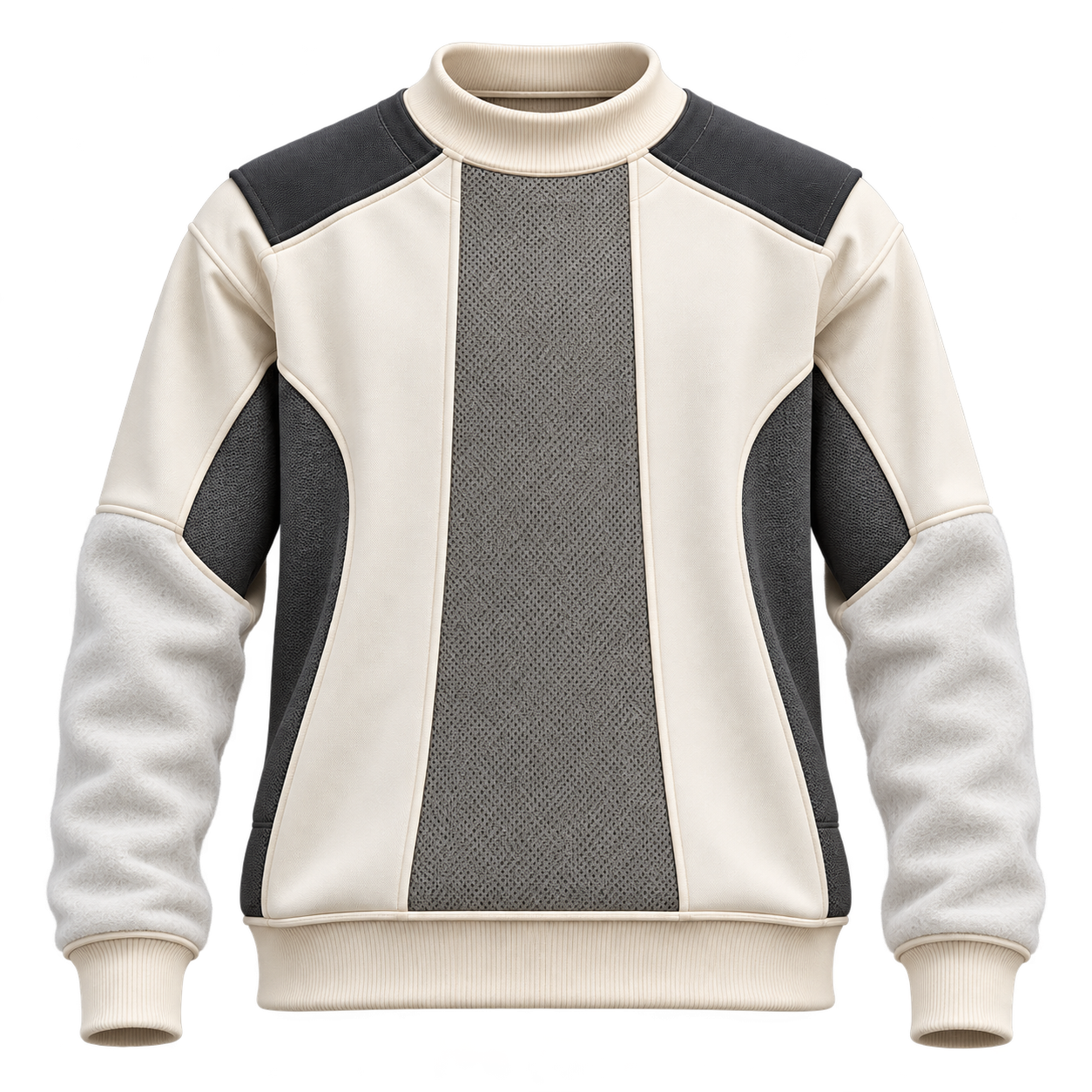
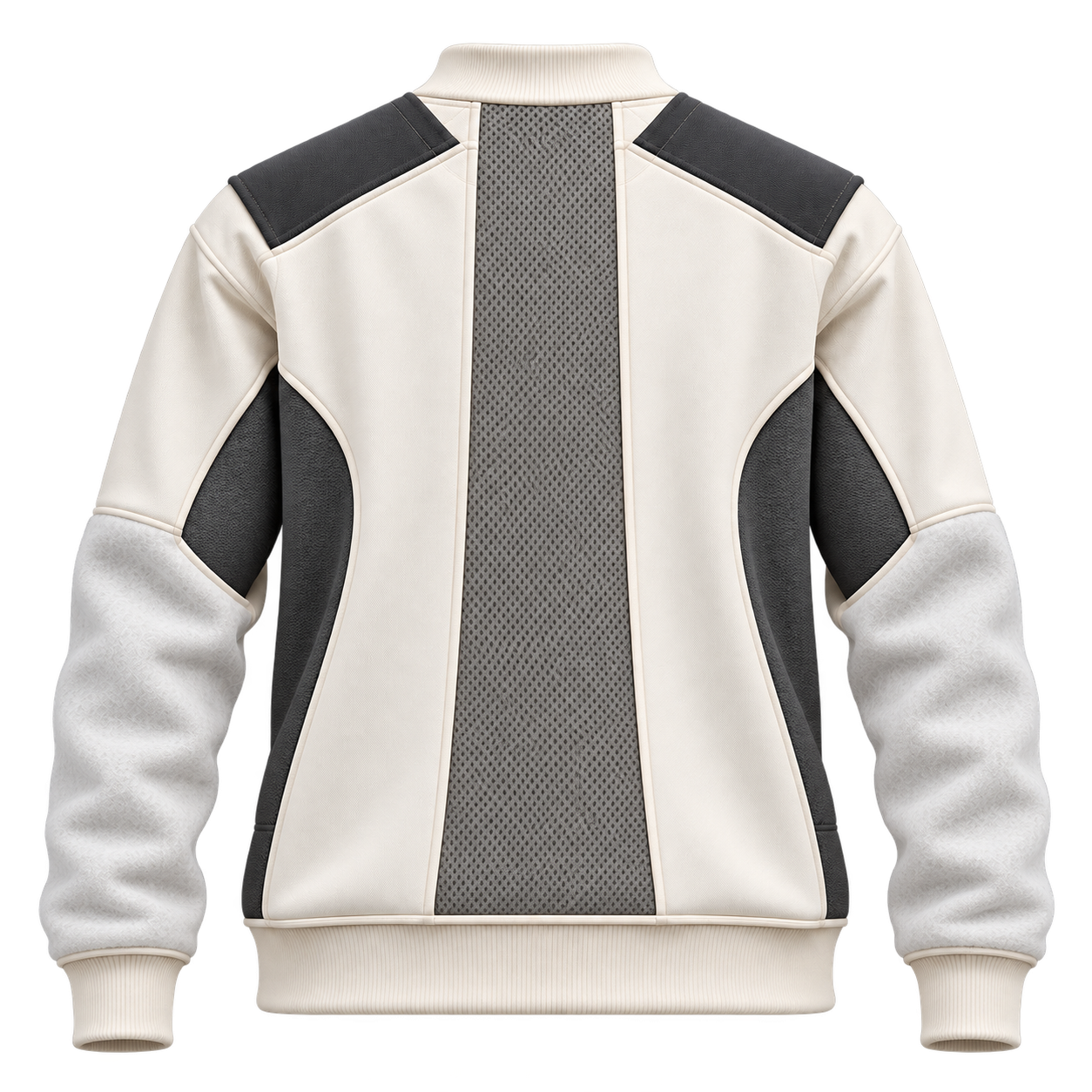
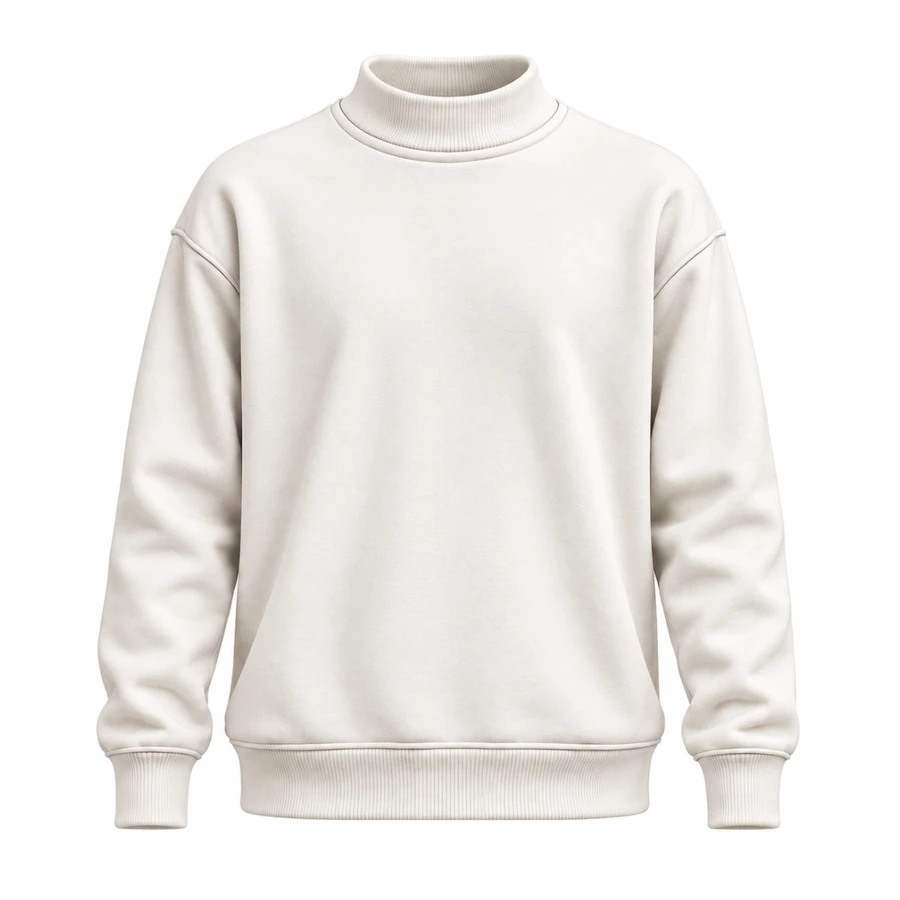
Basic outside,
Designed inside
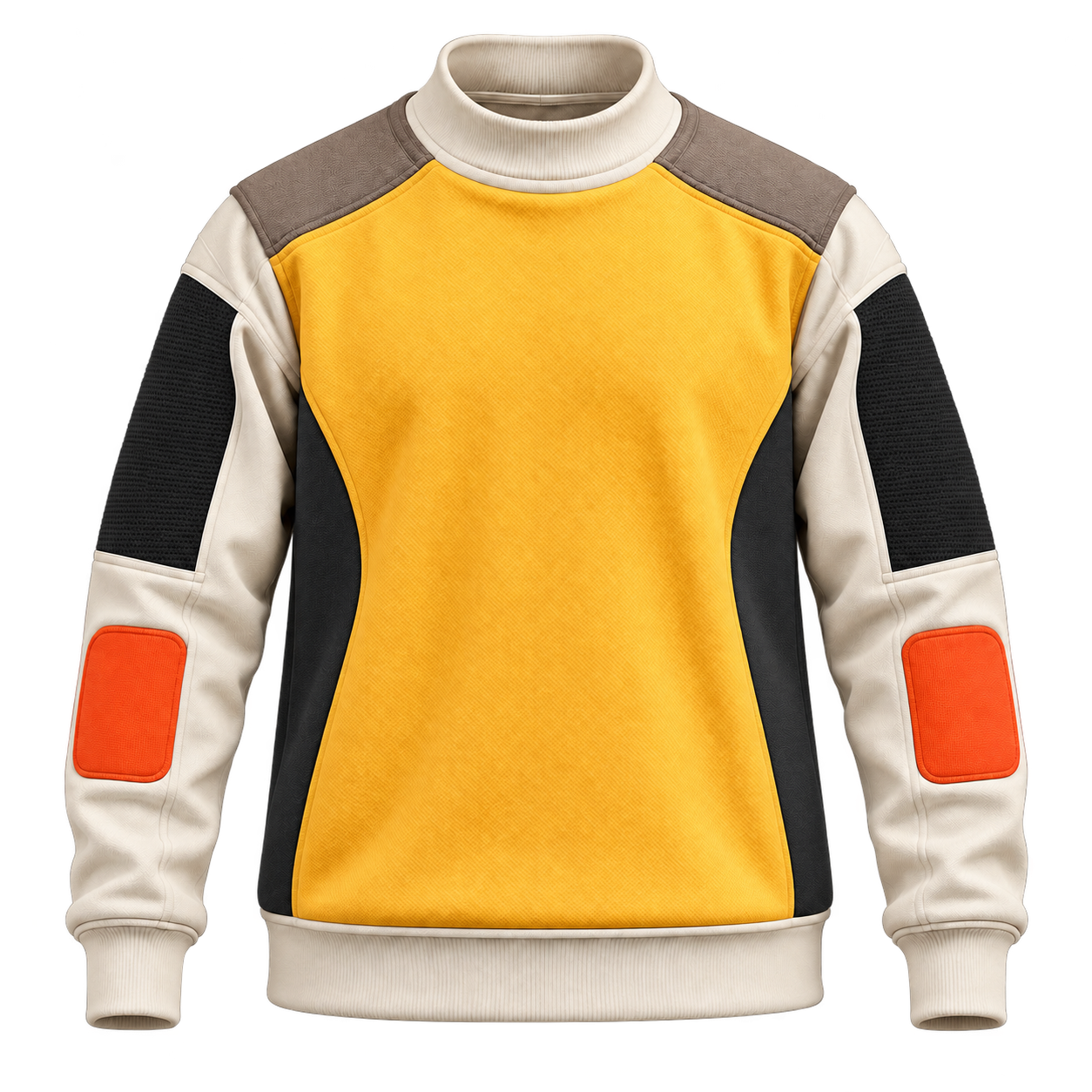
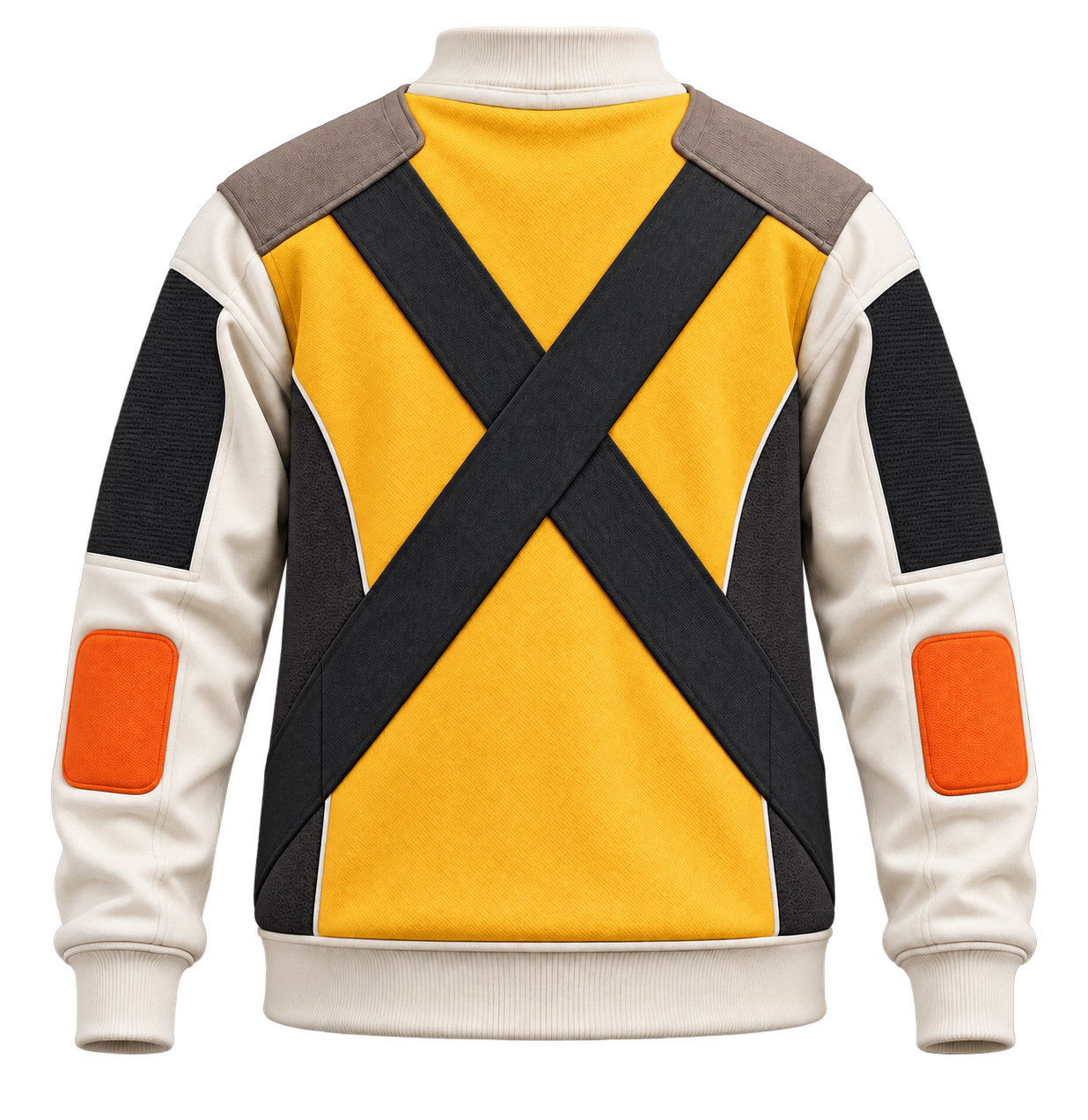
Three unisex pieces, each with an inner layer designed for a different moment.
{{ activeTagline }}
Three unisex pieces, each with an inner layer designed for a different moment.
{{ activeTagline }}
{{ pv.viewCaption }}
{{ pv.headline }}
{{ pv.desc }}
{{ fabIntro }}
{{ gzSel.why }}
{{ gzSel.chem }}
{{ sig.short }}
{{ sig.material }}{{ sig.rationale }}
{{ d2.short }}
{{ d2.material }}{{ d3.short }}
{{ d3.material }}
{{ lb.head }} {{ lb.body }}
A new way of listening to sound.
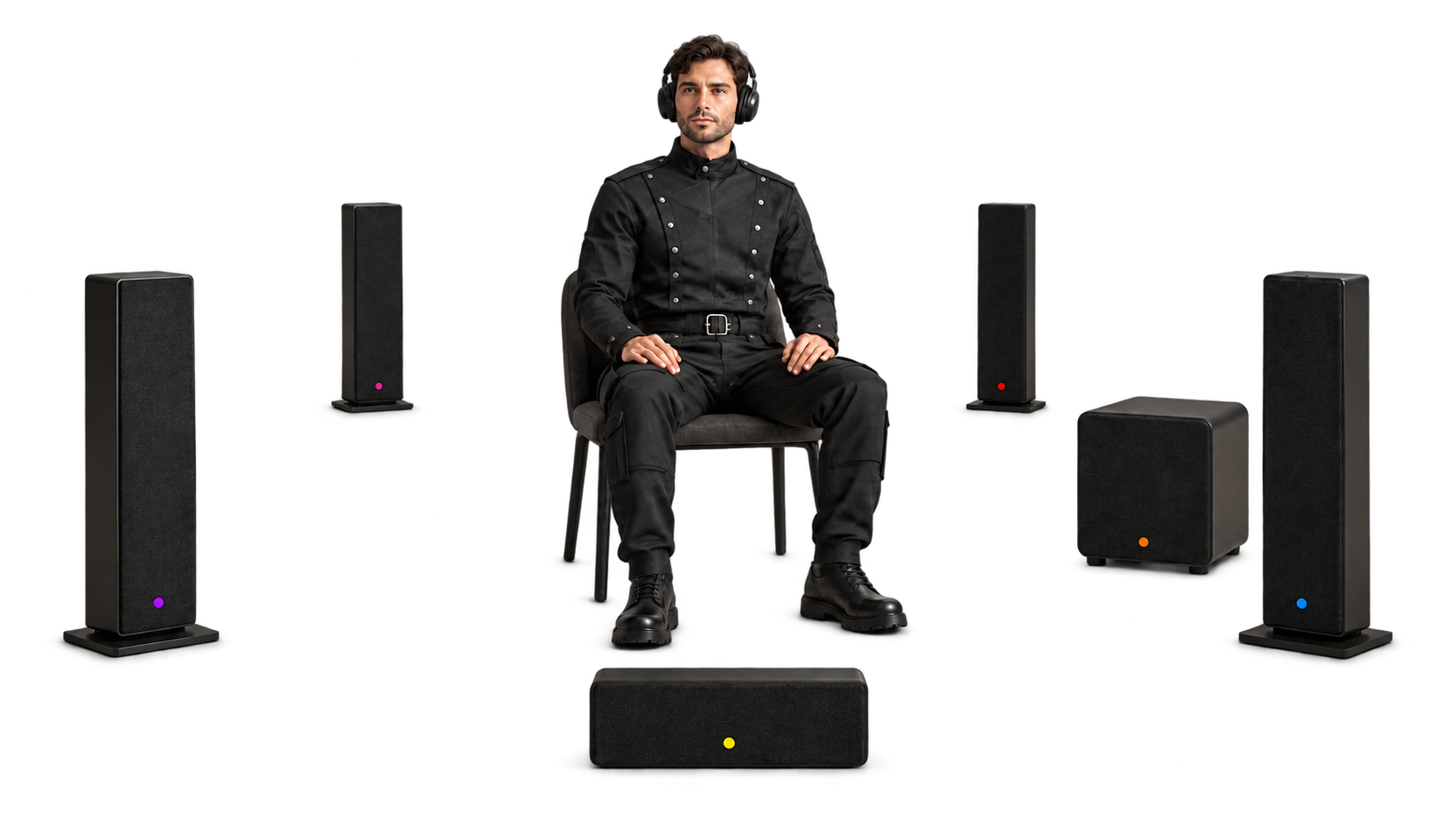
A vibration layer inside. Controls at the cuffs.
Sound you can feel.
Outer textile. A dedicated vibration layer. An inner lining. Each has its own place in the wearable concept.
{{ layerInfo.text }}
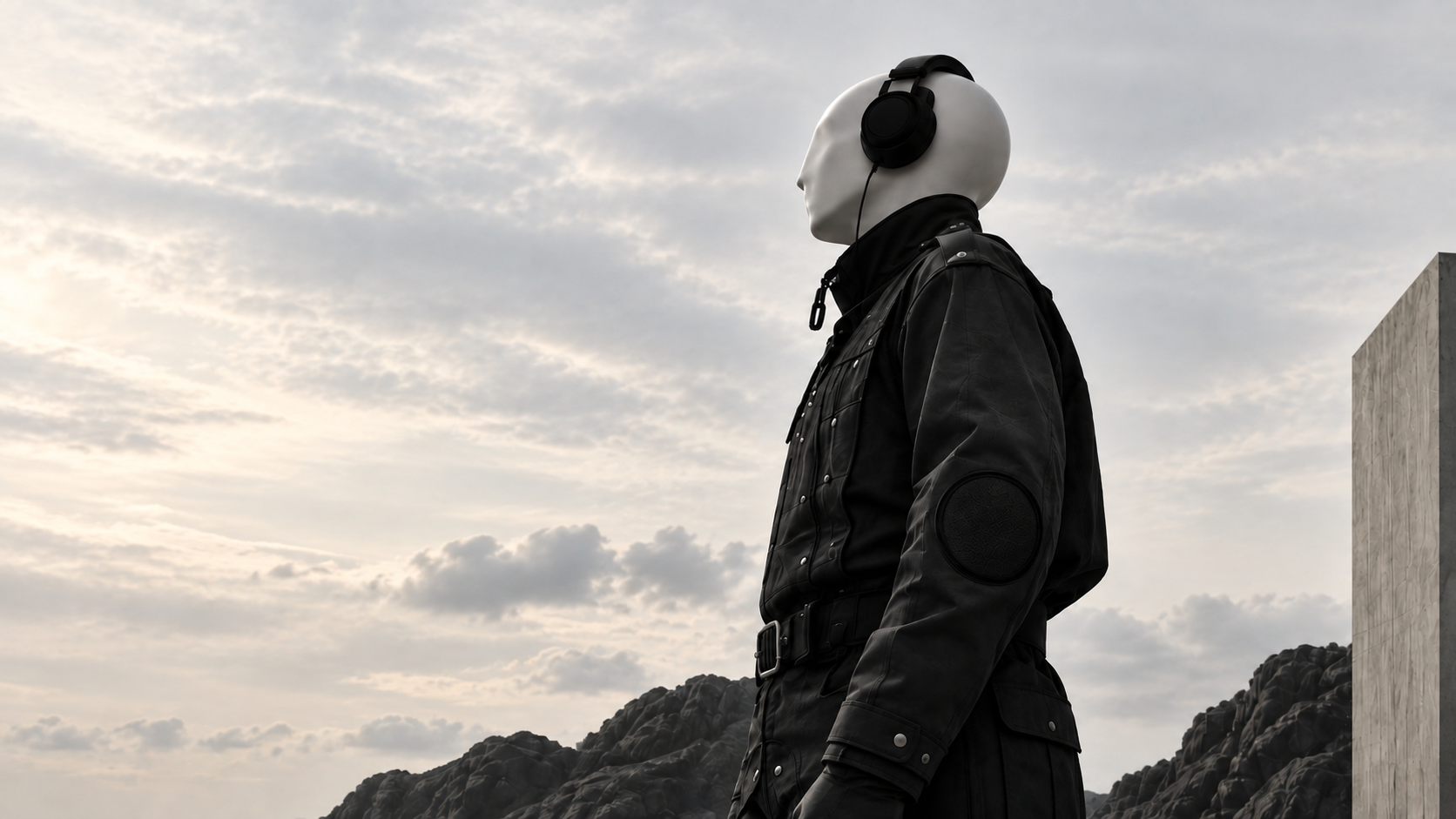
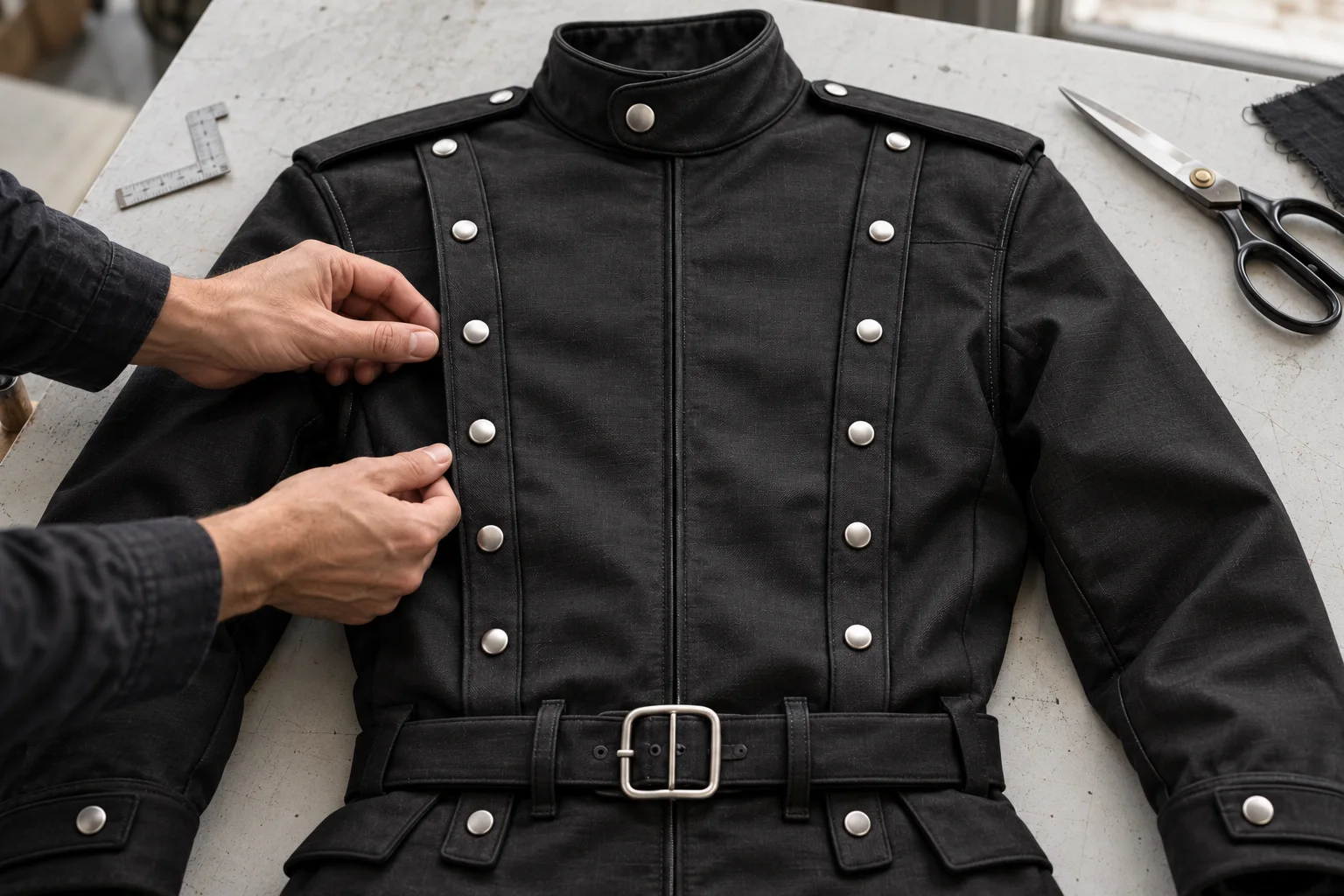
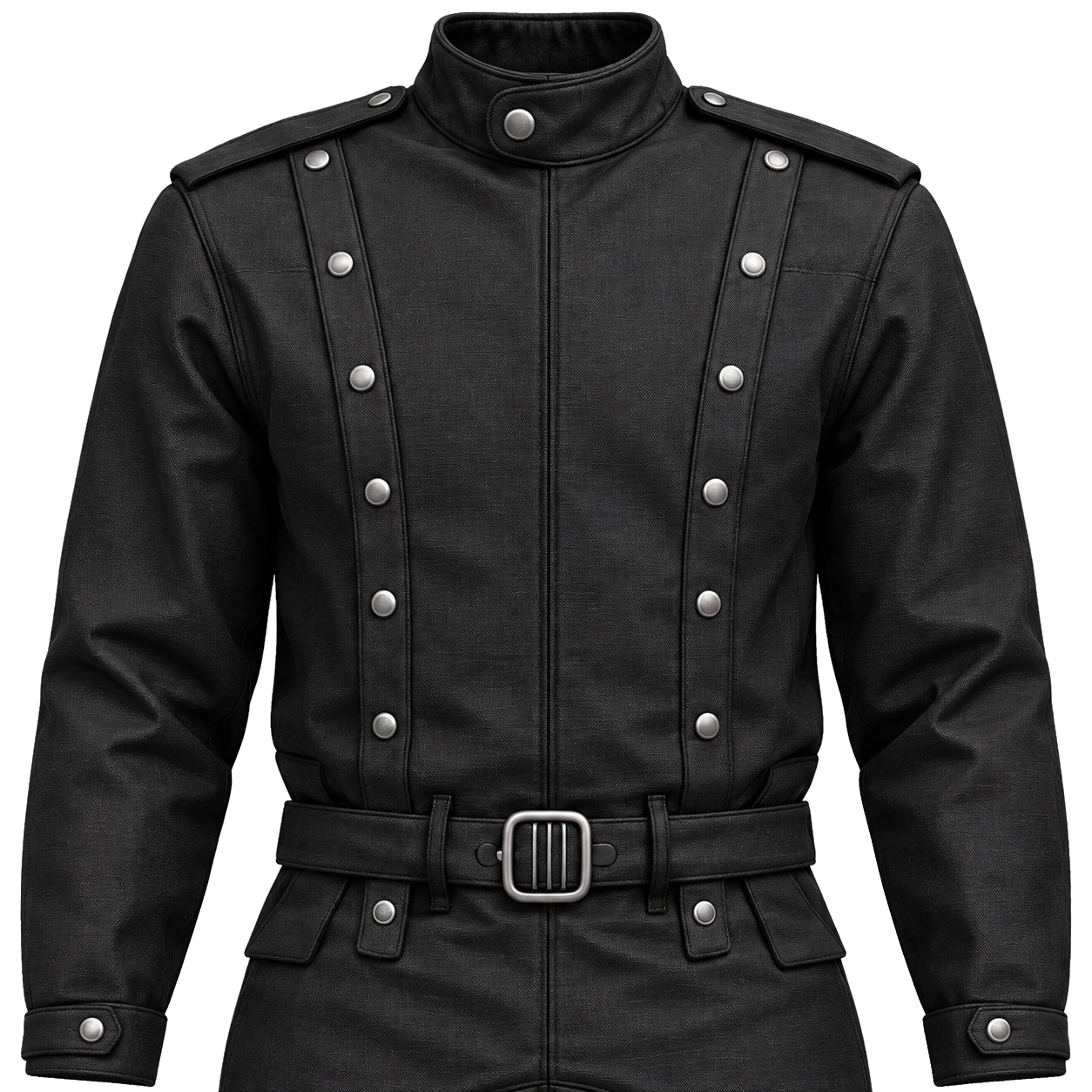
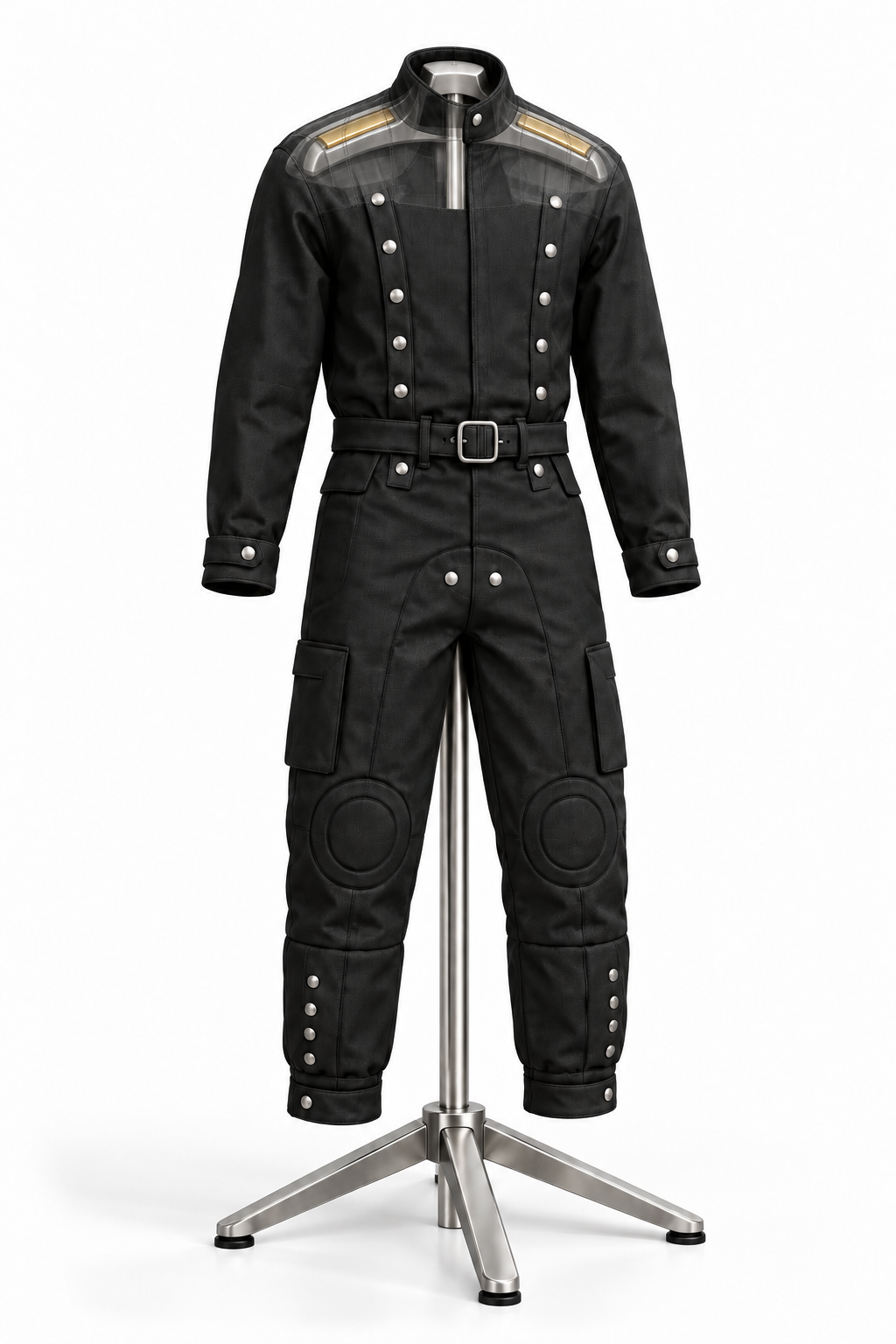
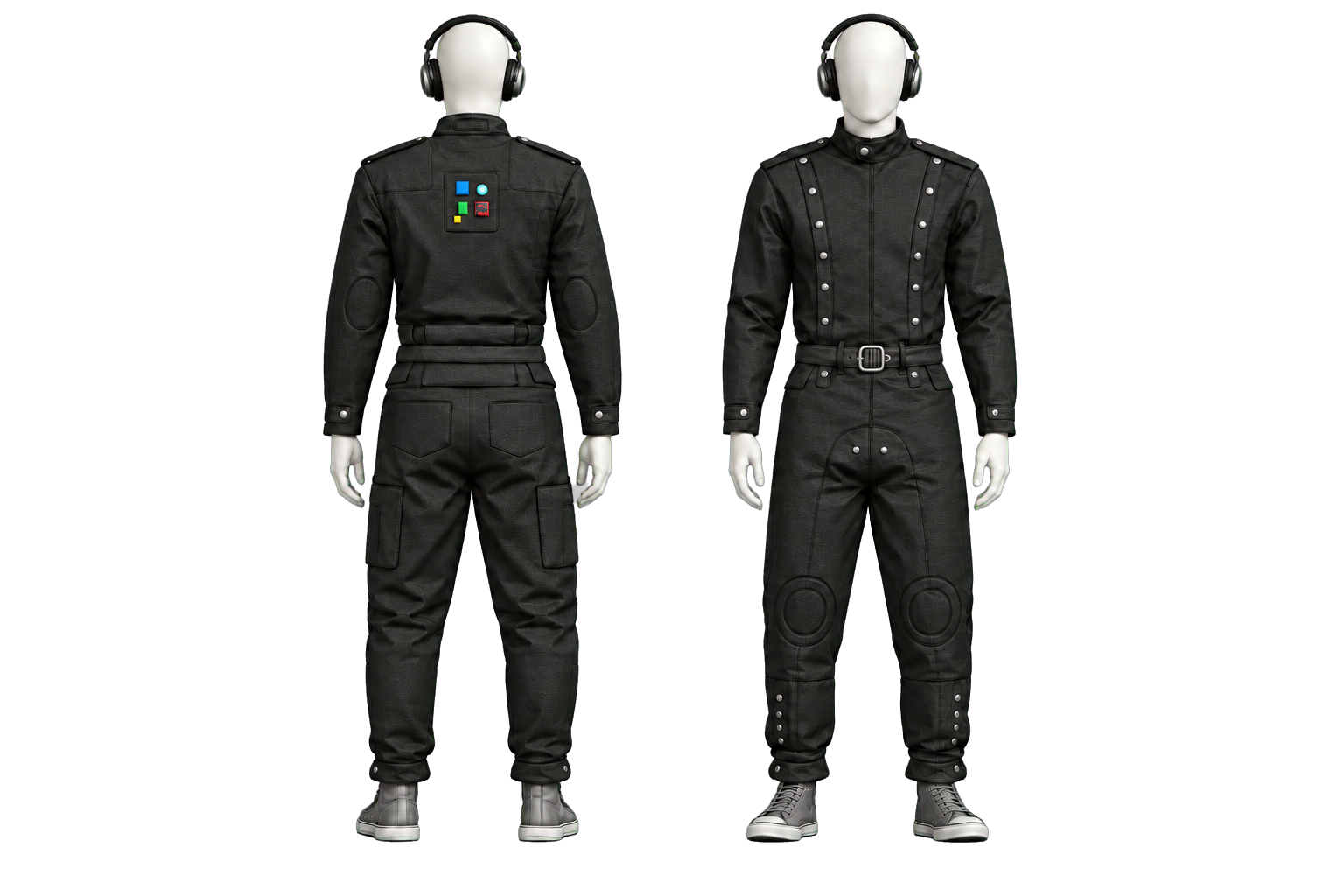
A structured collar. Twin rows of snaps. A defined waist. Matte black textile and metal details give the Music Suit its distinctive shape.
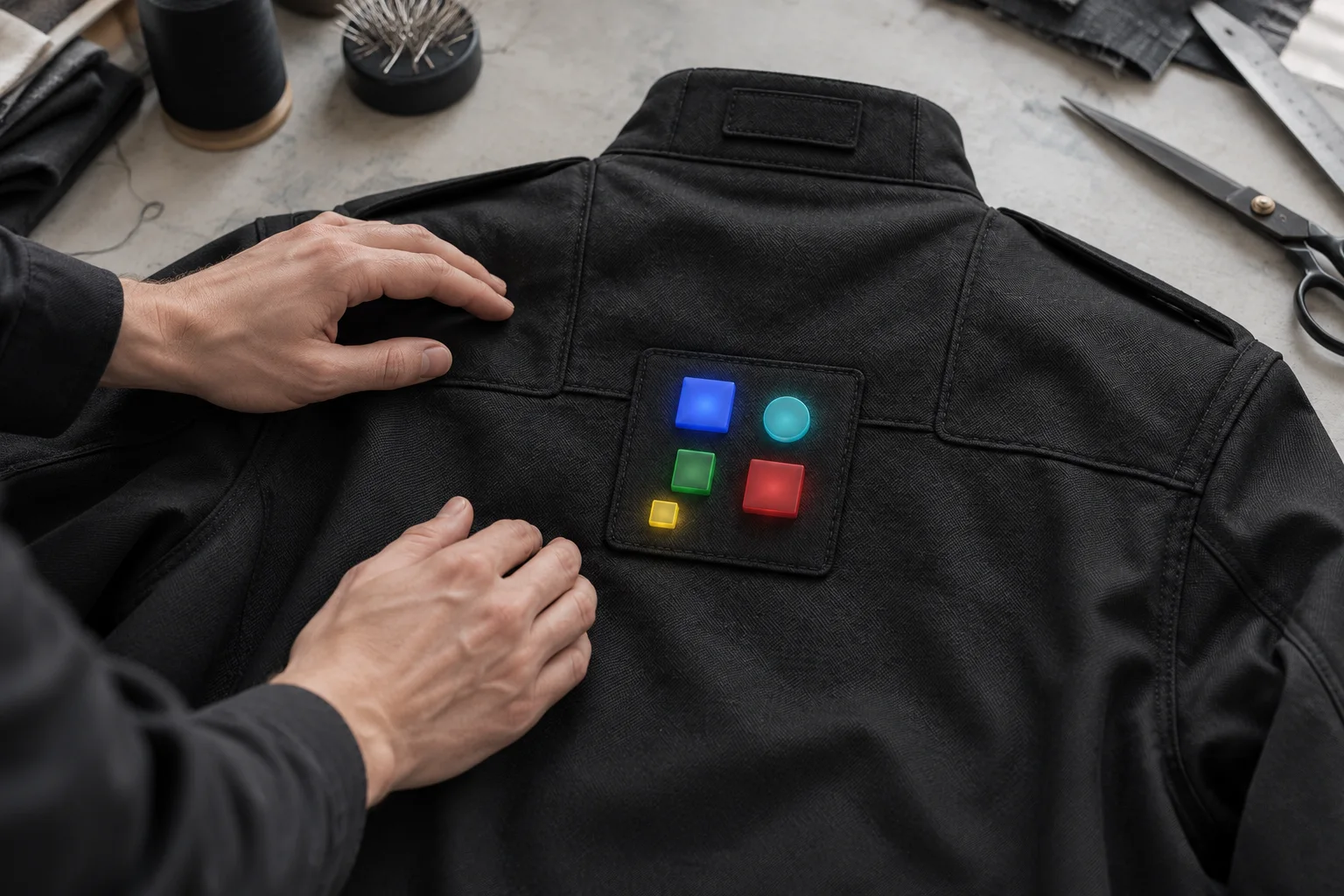
Five familiar shapes. Now imagined as light, with a changing glow that gives the suit a visual signal.
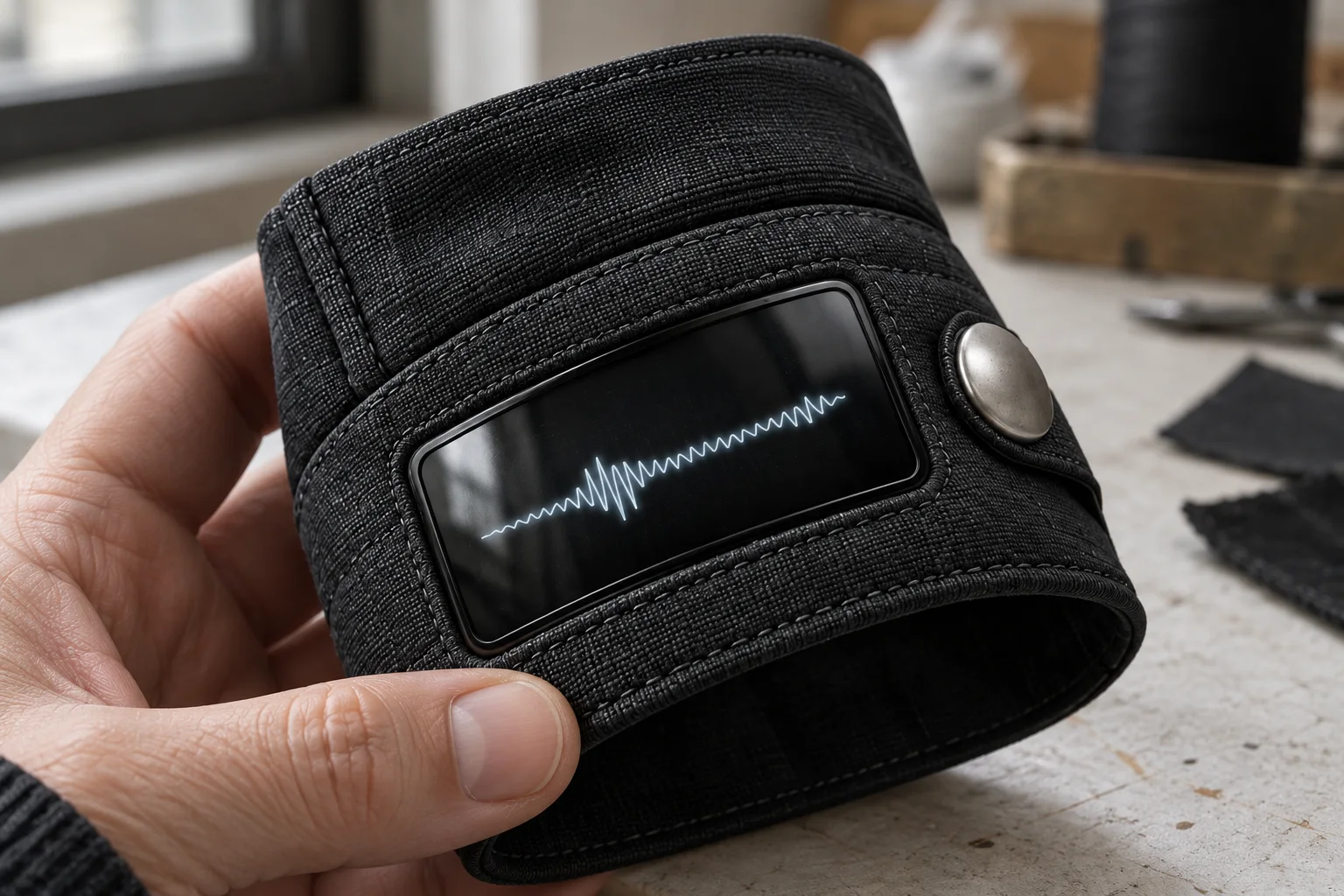
A moving waveform brings the music into view at the cuff.
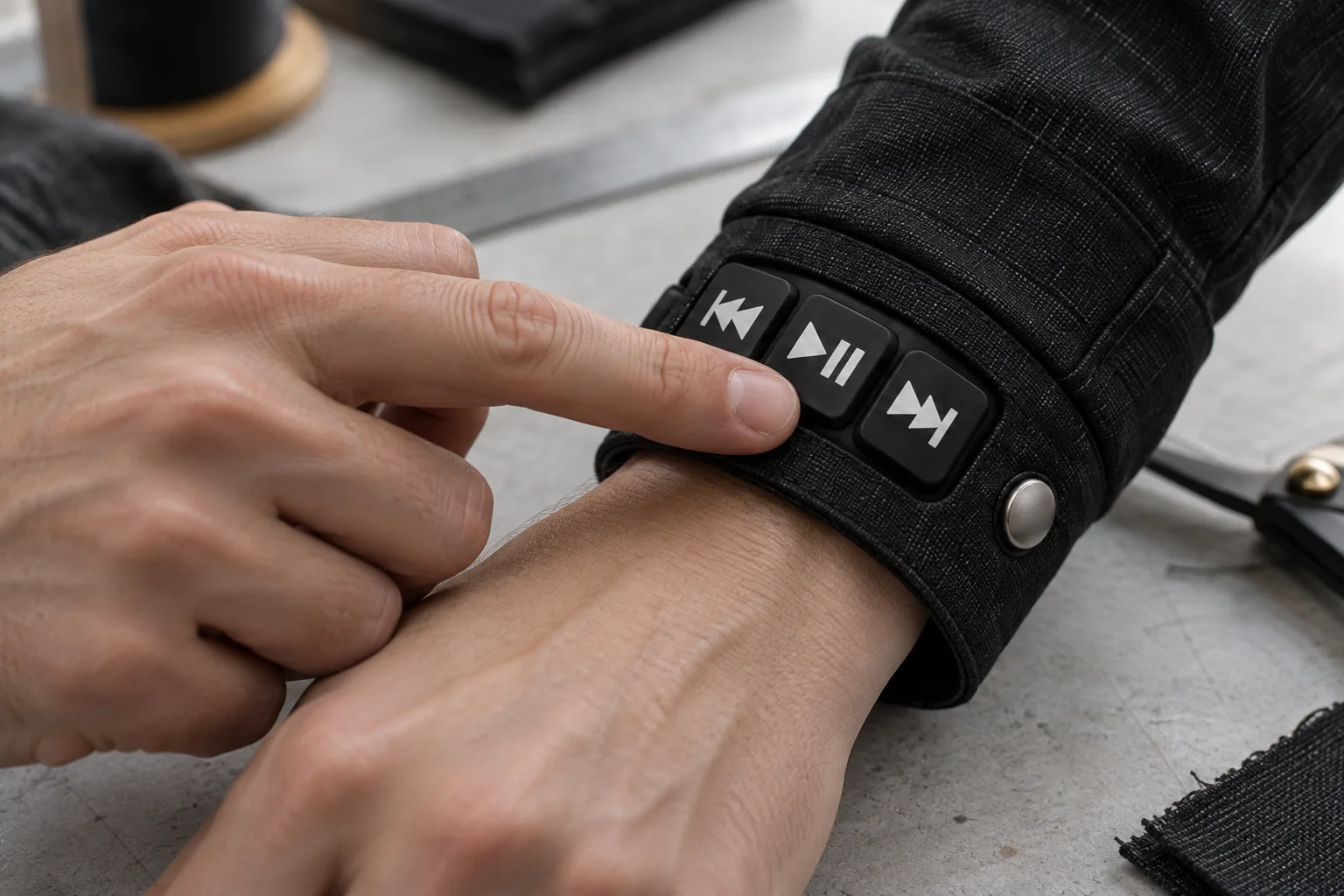
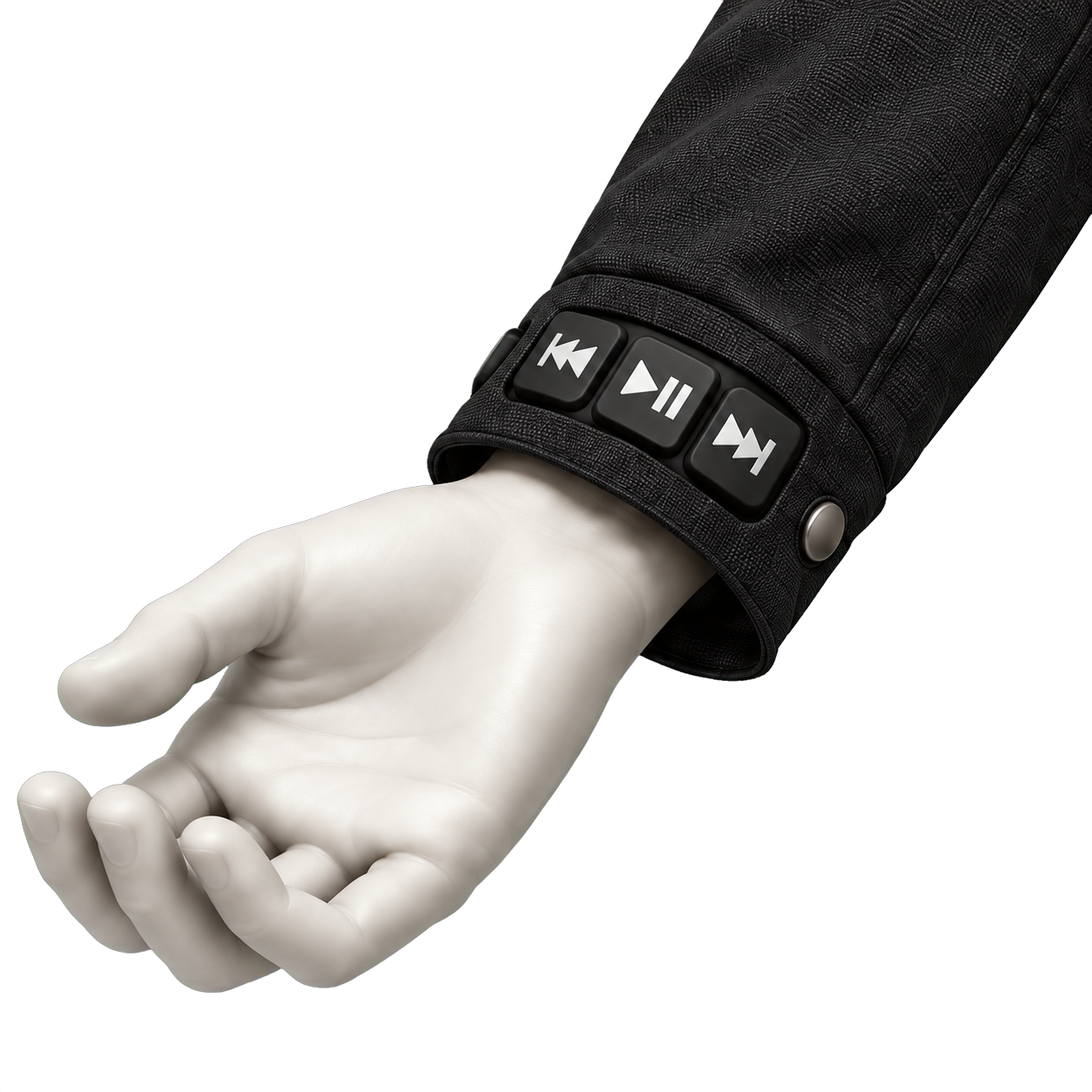
Three raised buttons bring previous, play/pause and next to the other cuff.
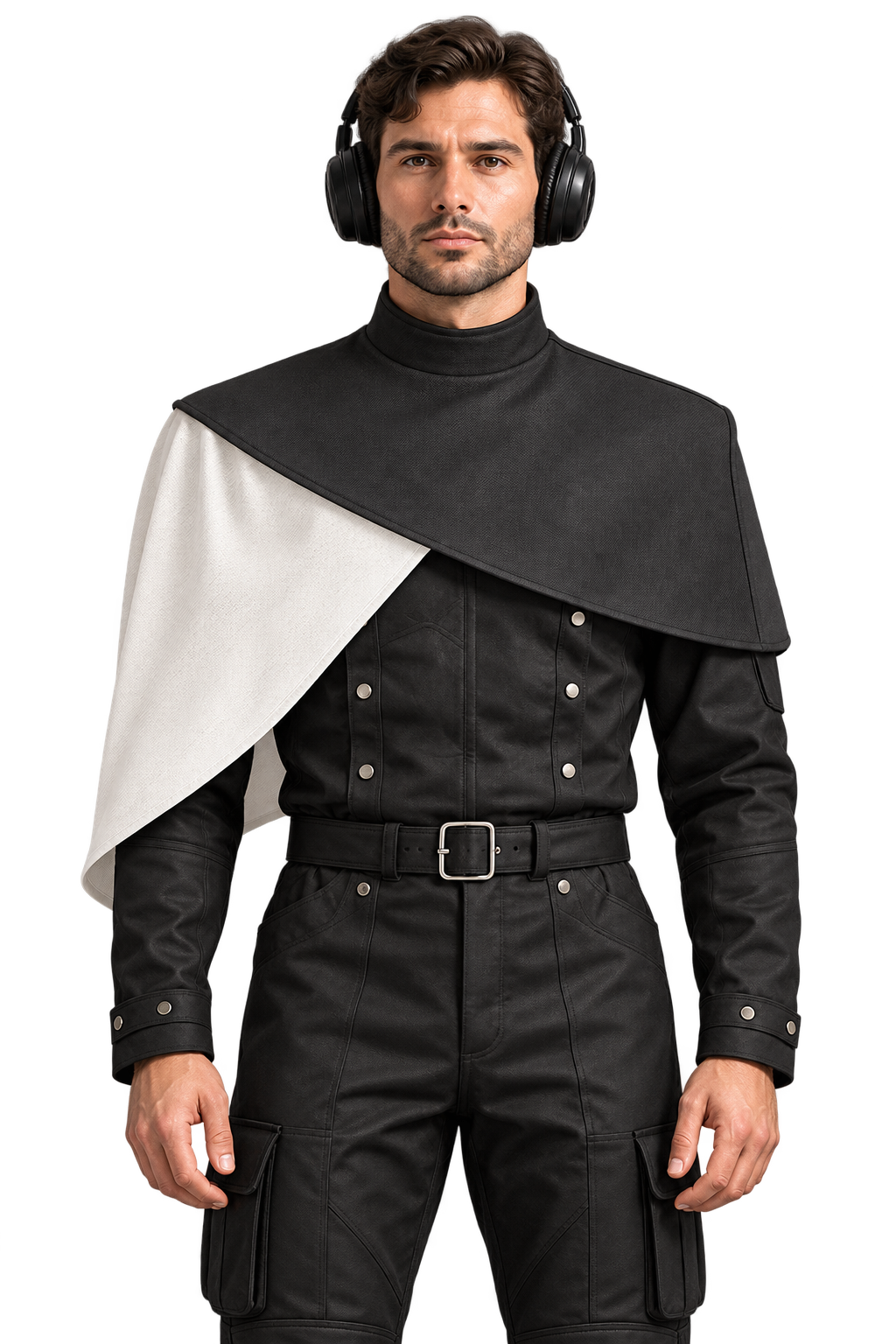
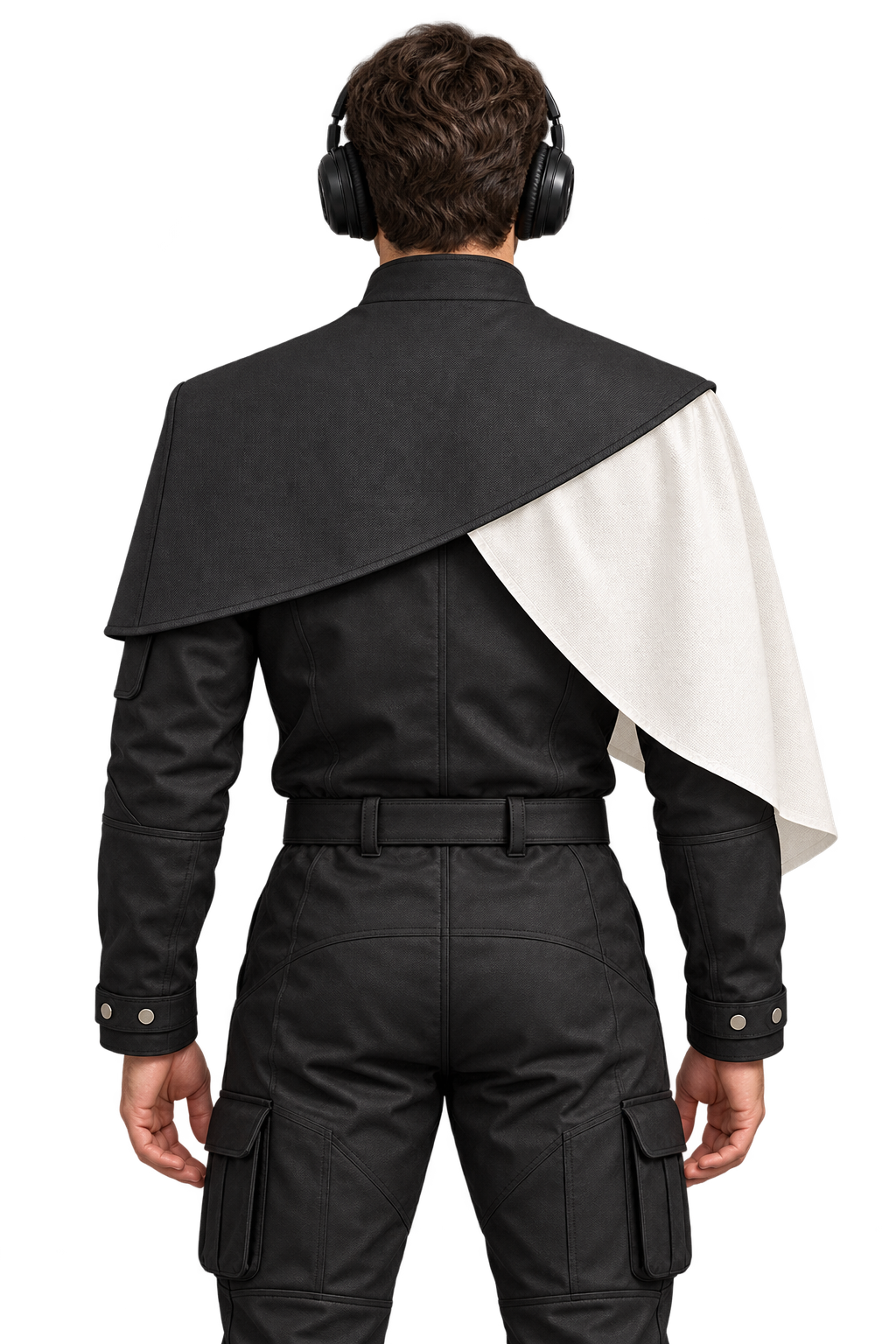
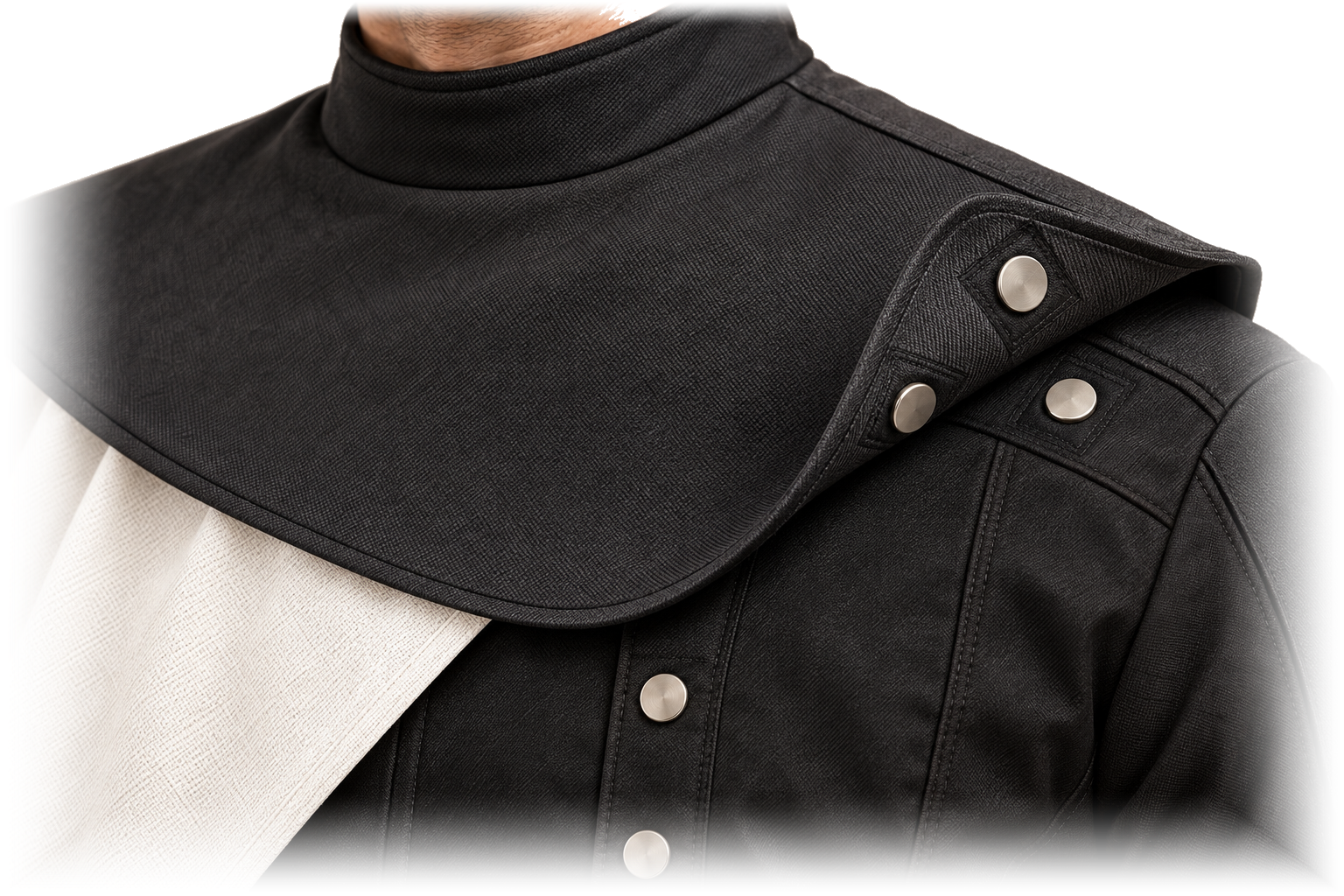
An interchangeable upper layer lets you personalise the suit’s appearance. Designed to connect at the shoulders with concealed magnets, it offers a way to change the colour, texture and silhouette to suit your style.
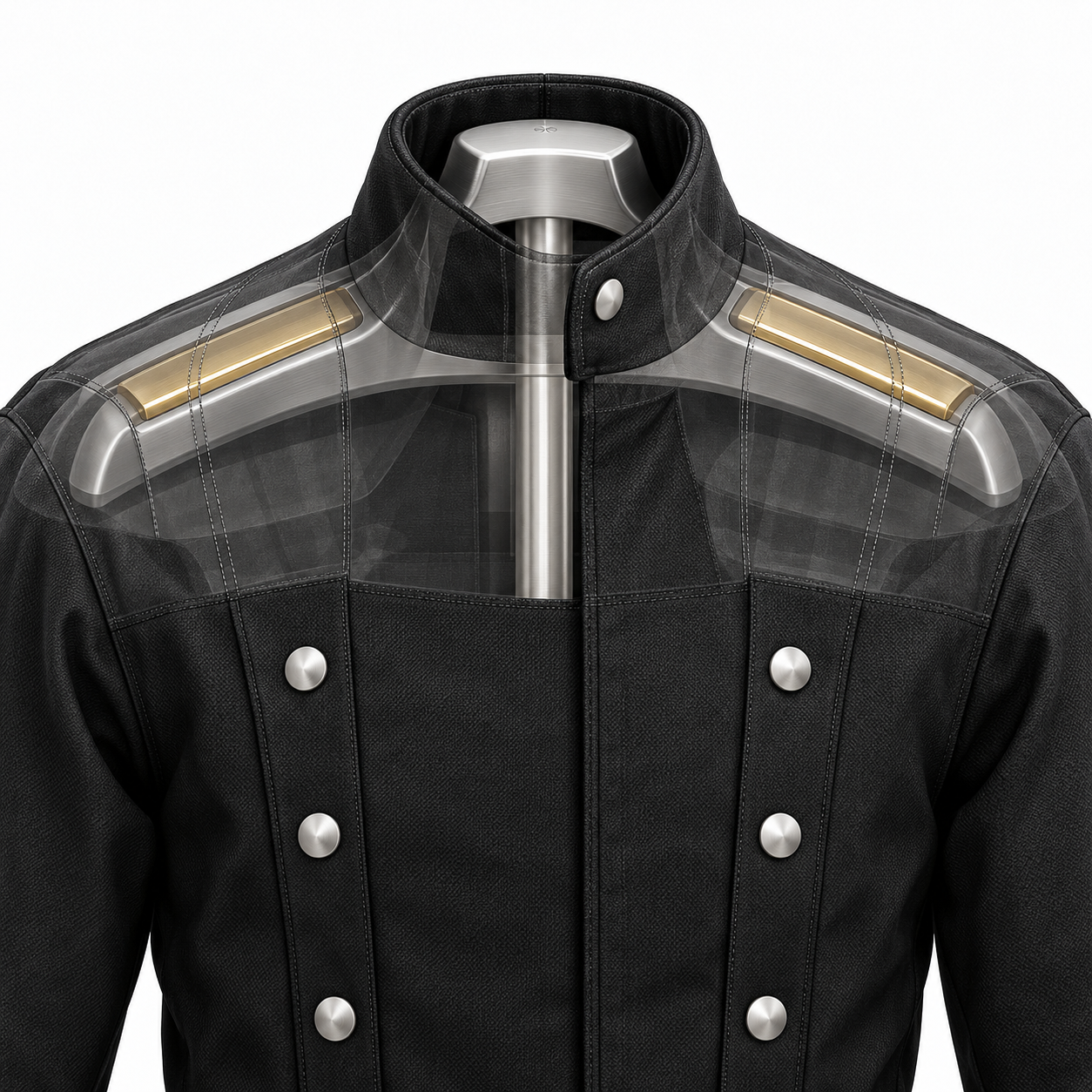
A proposed charging stand supports the suit from inside the shoulders. Modules built into the hanger are intended to align with corresponding charging elements in the garment, bringing storage and charging into one place.
{{ chCaption }}
Open shoulder detail larger ↗Get updates on the KUBIA Music Suit.
No sizes here: every Music Suit will be tailored to the wearer. A KUBIA app uses AI-assisted body scanning to capture full-body measurements for the best fit.
Most clothing is designed to be seen. We start with the surface against your skin all day — and design every panel around what your body actually feels.
You wear it most of the day, closer to your body than anything else. So we design it as more than a surface: special fabrics, placed with intention, where they meet the body.
Our work draws on neuroscience, embodied cognition and ergonomics. Thinking and feeling are shaped by the body’s sensations: touch, pressure, temperature and movement are signals the brain constantly reads. Ergonomics guides where each panel sits, so the garment follows how the body actually moves and rests.
Each material is chosen for a specific property — softness, warmth, openness, stretch or weight — and placed where that sensation is meant to be felt, so the garment works as one connected system.
Studies on touch and on “enclothed cognition” (Adam & Galinsky, 2012) suggest that what we wear can influence how we feel and perform. The evidence is still growing. We treat it as a design brief, and test every idea on the body.
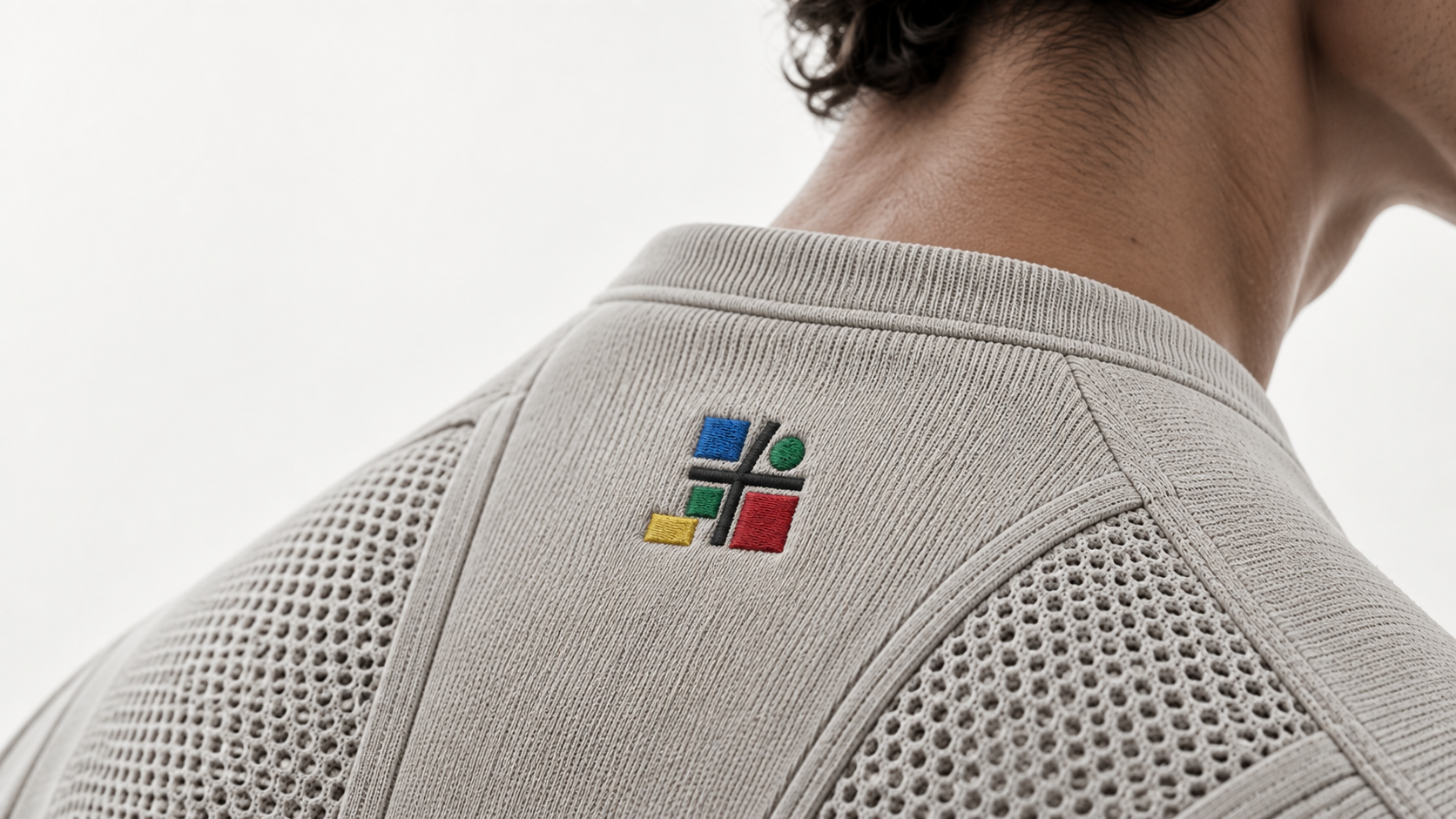
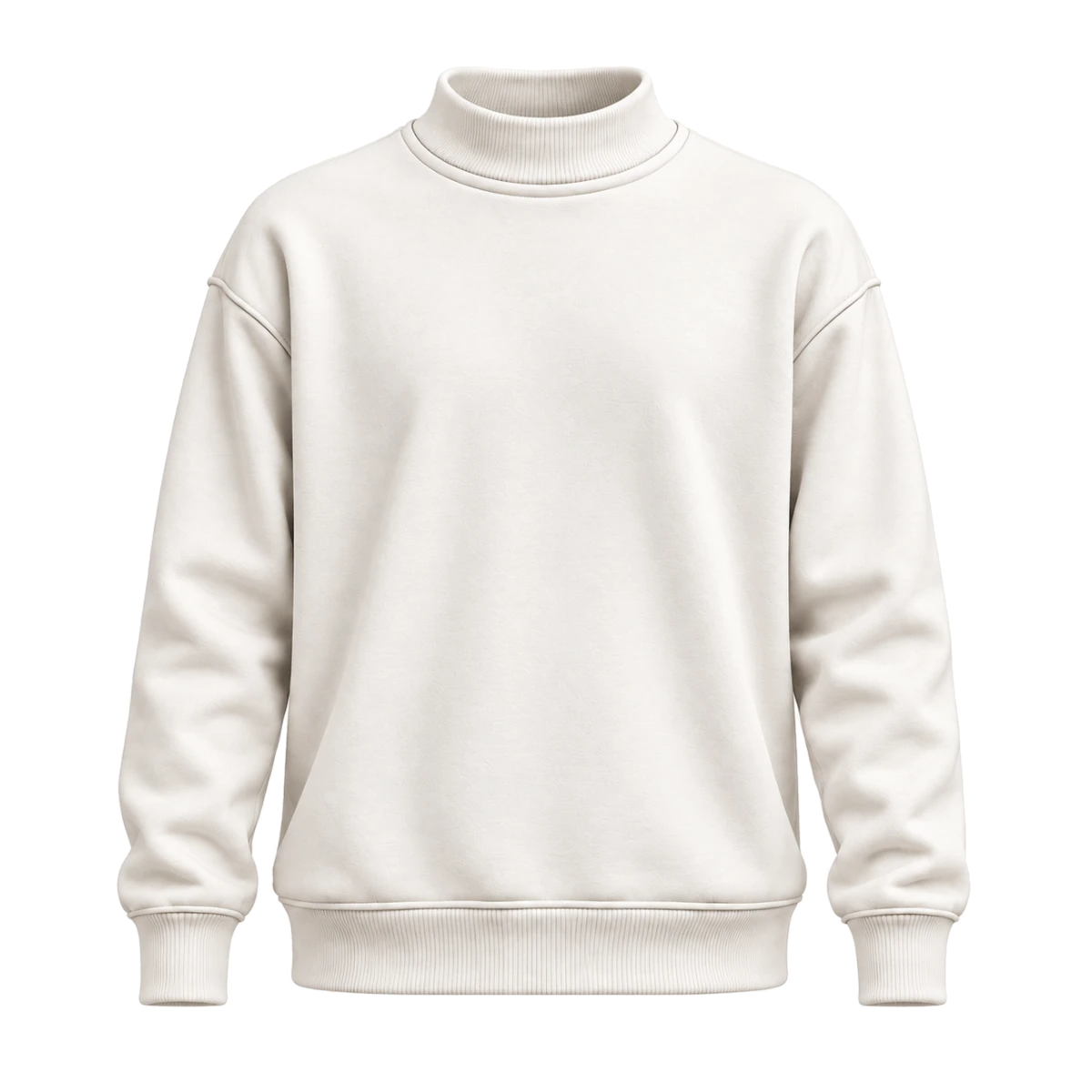
So the outside stays simple: unisex, wearable, easy to style. The real design work happens on the inside.
When you feel better, what people notice isn’t the design. It’s you.
You're on the list, {{ wlName }}.
{{ wlDoneText }}